

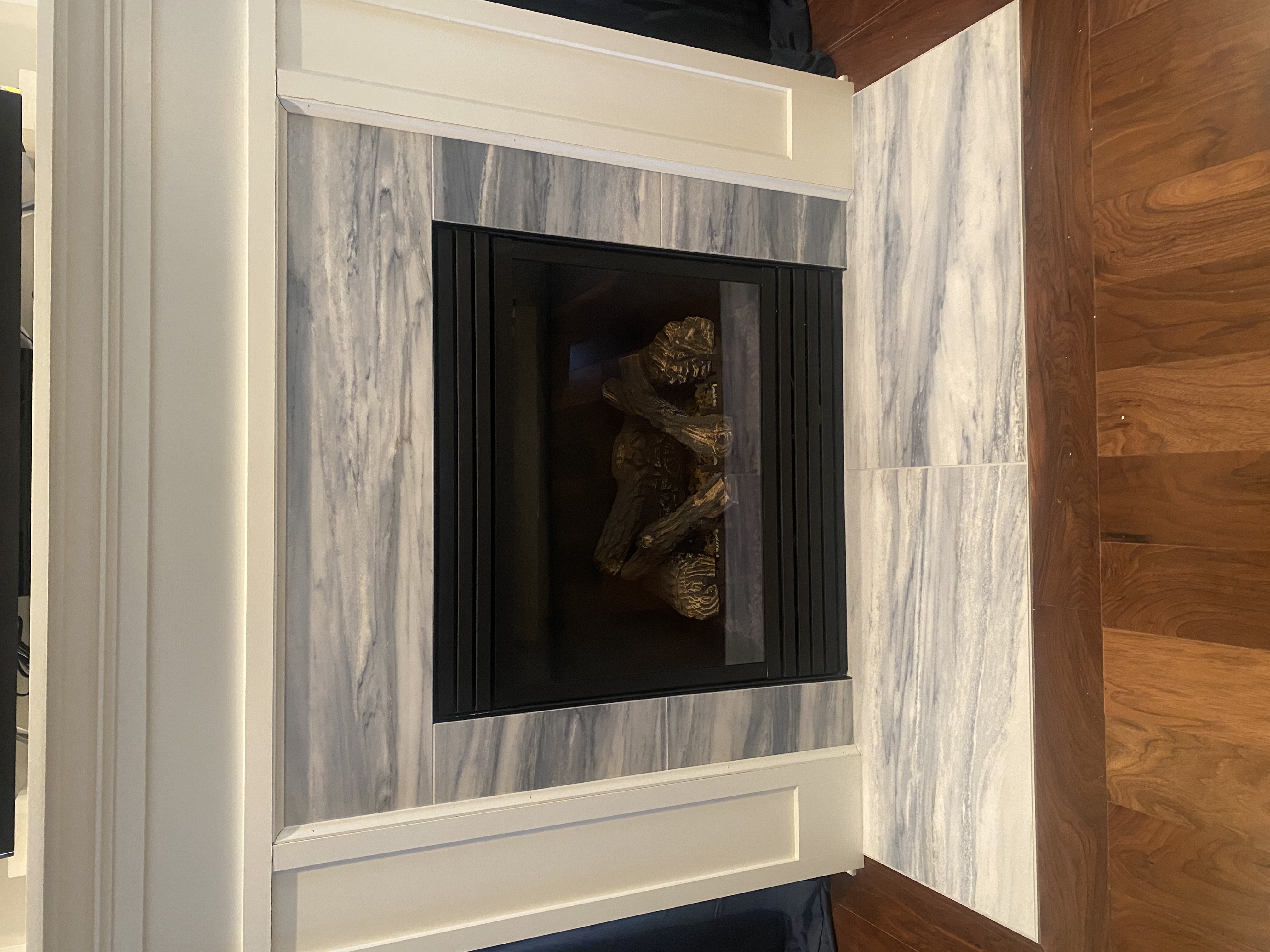
On a cold January night, when the wind is howling across the fields, your fireplace wall or built‑in niches become the natural focal point of the room. If that wall is just plain drywall or dated brick, it can feel like a missed opportunity. A few well-placed tile accents can turn that everyday view into something you’re proud to see from the sofa all winter long.
Below are practical ways to use tile to elevate fireplaces, niches, and other features, drawn from what we see working in homes around Kearney and the rest of Central Nebraska.
Rethinking the Fireplace: From Builder Basic to True Focal Point
A fireplace already draws the eye; tile simply gives it something beautiful to land on. The key is deciding where you want the emphasis.
Some homeowners tile just the surround around the firebox for a subtle refresh. Others run tile all the way to the ceiling to make a bold statement in a two‑story living room. Because tile stands up well to heat and the dry winter air, it’s a smart choice for the long haul.
If you’re just starting to explore ideas, our tile catalog is a good place to see how different materials behave. You’ll find everything from simple white ceramics to patterned mosaics in the wide selection of Dal-Tile, Emser, and Marazzi options. Notice how matte finishes feel more relaxed and family‑friendly, while glossy surfaces bounce light and feel a bit more formal.
For older brick fireplaces, consider tiling right over the existing surface (when structure and clearances allow). This avoids demolition and lets you introduce a cleaner, more modern face without losing the warmth of a working hearth.
Niches, Built‑Ins, and Backs of Shelves
Tile accents don’t have to stop at the firebox. One of the most effective—and budget‑friendly—places to add personality is the back of a niche or built‑in shelf.
A small area of mosaic or patterned tile behind open shelving:
- Frames your decor so family photos and keepsakes don’t visually “disappear”
- Protects the wall from scuffs, especially in kid-heavy living rooms
- Adds color and texture without repainting the entire room
Because these areas are usually smaller, you can splurge a bit on a specialty pattern or glass mosaic you might shy away from on a full wall. If you’re coordinating with a nearby kitchen or bar area, it helps to repeat a material you’re already using. Many homeowners like to echo the backsplash material from their kitchen, and our tile selection that works on both walls and counters makes it easy to carry that theme across spaces.
In some projects, we’re also updating cabinetry around a fireplace at the same time. When that’s the case, it helps to choose door styles and stain colors that complement the tile instead of competing with it. Our team can walk you through cabinet selections that pair well with new tile features so the whole wall feels intentional.
Coordinating Tile with Floors, Counters, and the Rest of the Room
A fireplace or feature wall doesn’t live in isolation; it sits in the middle of your flooring, furniture, and sometimes an open kitchen. That’s where coordination matters.
If you already have wood or wood‑look floors, you’ll want to think about contrast. A wood‑tone tile right next to oak planks can feel like a near‑miss, while a stone‑look surface gives you a fresh texture that still ties in. When you’re working around existing floors, our design team often starts by pulling a few ceramic and porcelain tiles that complement hardwood and luxury vinyl so you can see them together in real light.
In open kitchens and great rooms, tile around the fireplace can echo veining or color from your counters without matching exactly. That might mean pulling the soft gray from a quartz island and repeating it in a subtle herringbone by the fireplace. If you’re planning a bigger renovation, it can be helpful to look at granite and quartz countertop options at the same time you’re choosing tile so everything works together from day one.
Window coverings also play a role. A strong tile pattern near bare windows can feel busy, whereas the right shades or drapery soften the edges and control glare on glossy surfaces. When we’re designing a full room, we often layer in blinds and fabric treatments that balance the new hard surfaces so the space feels finished, not stark.
Why Professional Layout and Installation Matter
With tile accents, the beauty is in the details: grout lines that line up with the firebox, centered patterns, clean corners, and safe clearances around heat. Those details are hard to “fix later,” which is why layout and installation matter as much as the tile itself.
Our installers spend time dry‑laying patterns around fireplaces and niches before anything is permanently set. That extra step helps avoid awkward slivers of tile at the ceiling or misaligned borders on a niche. If you’re thinking about tackling a fireplace wall as a DIY project, it’s worth reading up on what’s involved in professional tile and flooring installation for tricky feature areas before you commit to doing it alone.
When a project involves multiple surfaces—floors, backsplash, fireplace surround—we also like to show homeowners past jobs where we’ve tied all those pieces together. Browsing photos of completed CMH projects across Central Nebraska can give you a clearer picture of how a small accent decision affects the whole room.
If you’re ready to update a dated fireplace or add some character to your niches, we’re happy to help you sort through samples and sketch ideas that fit your home and budget. You can book a free measurement and in‑home estimate and we’ll meet you at your place—whether you’re in town or out in the country—to talk through what’s possible.


