

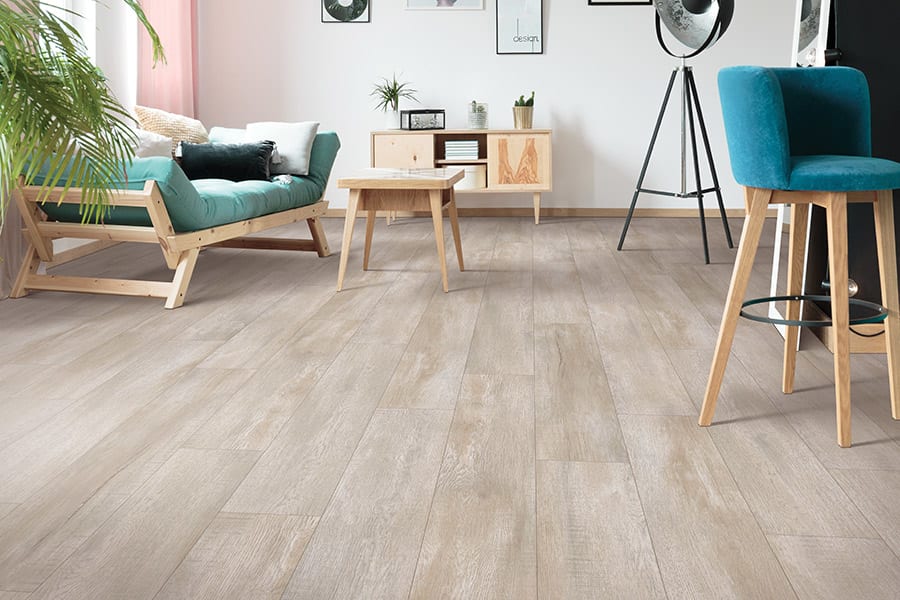
Turnover season comes fast when you own rentals. One tenant moves out on Friday, and you’re hoping to have the unit ready for showings by the next weekend. Floors usually tell the story of how hard a place has been lived in—scratches, stains, and soft spots can turn great tenants away before they even see the bedrooms. That’s why so many Hastings owners land on vinyl, but the big question is: sheet vinyl or luxury vinyl plank (LVP)?
Below is a straight-to-the-point breakdown, based on what we see every week in Central Nebraska rental properties.
How sheet vinyl behaves in rentals
Sheet vinyl is a continuous roll that’s glued down, with very few seams. For rentals, that brings a few clear advantages:
- Fewer seams mean fewer places for water to sneak through in bathrooms, laundry rooms, and small kitchens.
- It’s budget-friendly, which matters when you’re updating multiple units at once.
- Installation is quick, especially in simple, boxy rooms common in older duplexes.
For owners who are refreshing basic kitchens or baths, the low cost per square foot can be the difference between getting all units done this year or stretching the project out. If you want to see what this looks like in real products, you can browse a wide range of sheet vinyl styles from Armstrong, Mannington, and Mohawk.
Where sheet vinyl can fall short is damage control. A dropped knife, a deep gouge from a fridge move, or a tenant who drags furniture across the floor can cut the surface. In many cases, that means replacing a large section—sometimes the whole room—rather than swapping out one small piece.
Best fit: Tight budgets, small wet rooms, and lower-rent units where you just need clean, waterproof, and easy to mop.
How LVP stands up to tenant traffic
Luxury vinyl plank is built in individual boards that click together. It’s thicker and more rigid than traditional vinyl, with a wear layer designed for heavy traffic. For rentals, that changes the math:
- Planks resist dents and scratches better, which helps in living rooms and hallways where furniture moves constantly.
- Many products are fully waterproof, so spills and minor leaks are less stressful.
- If one area is damaged, you can often replace just a few planks instead of the whole floor.
We see more and more investors choosing LVP for entire units because the long-term maintenance costs tend to drop, especially over several tenant cycles. You can explore over two thousand waterproof luxury vinyl and plank options to get a feel for different wear layers, wood looks, and price points.
Visually, LVP also gives a more “home-like” feel—wood and stone looks that photograph well in listings and help justify slightly higher rent. In a college-adjacent market with plenty of competition, that can matter.
Best fit: Whole-unit installs, mid-range and up rentals, and any space where you want durability plus a more upscale look.
Cost, turnover speed, and repair: the real-world tradeoffs
When you’re comparing bids, sheet vinyl will almost always look cheaper upfront than LVP. But for rental properties, it helps to think in terms of cost per turnover, not just cost per square foot.
Sheet vinyl can be ideal when:
- You’re doing a quick, budget-minded refresh between tenants.
- The space is small and mostly square, like a hall bath or laundry.
- You expect some wear and are comfortable replacing larger sections when needed.
LVP often wins over time when:
- You plan to hold the property for many years.
- You want one floor that can run through kitchens, living areas, and bedrooms.
- You’d rather repair small areas than rip out a whole room.
Whichever you choose, installation quality is what separates a five-year floor from a fifteen-year floor. Our in-house crews handle everything from subfloor prep to transitions, and you can see how we approach professional flooring installation across different materials.
Matching the floor to your property type
Not every Hastings rental needs the same solution. Think about how your units are used:
- Older single-family rentals with basements: Waterproof LVP is usually the safer bet for below-grade areas where storms and sump pumps can surprise you.
- Small upstairs apartments: Sheet vinyl in kitchens and baths plus carpet or LVP in living spaces can balance cost and performance.
- Higher-end homes or townhomes: Continuous LVP through the main level often helps listings stand out and reduces the patchwork look from room to room.
If you’re coordinating more than just floors—maybe updating cabinets and counters at the same time—our team can help you pull everything together. Many owners like to see how new flooring will work alongside kitchen and bath countertop options so the whole space feels cohesive to future tenants.
Because CMH Interiors is a full-service interiors shop with three Central Nebraska showrooms, you can select materials, lean on our design staff, and have licensed installers handle the work start to finish. If you’d like help deciding whether sheet vinyl or LVP makes more sense for your specific rentals, you can book a free measurement and quote at your property.


