

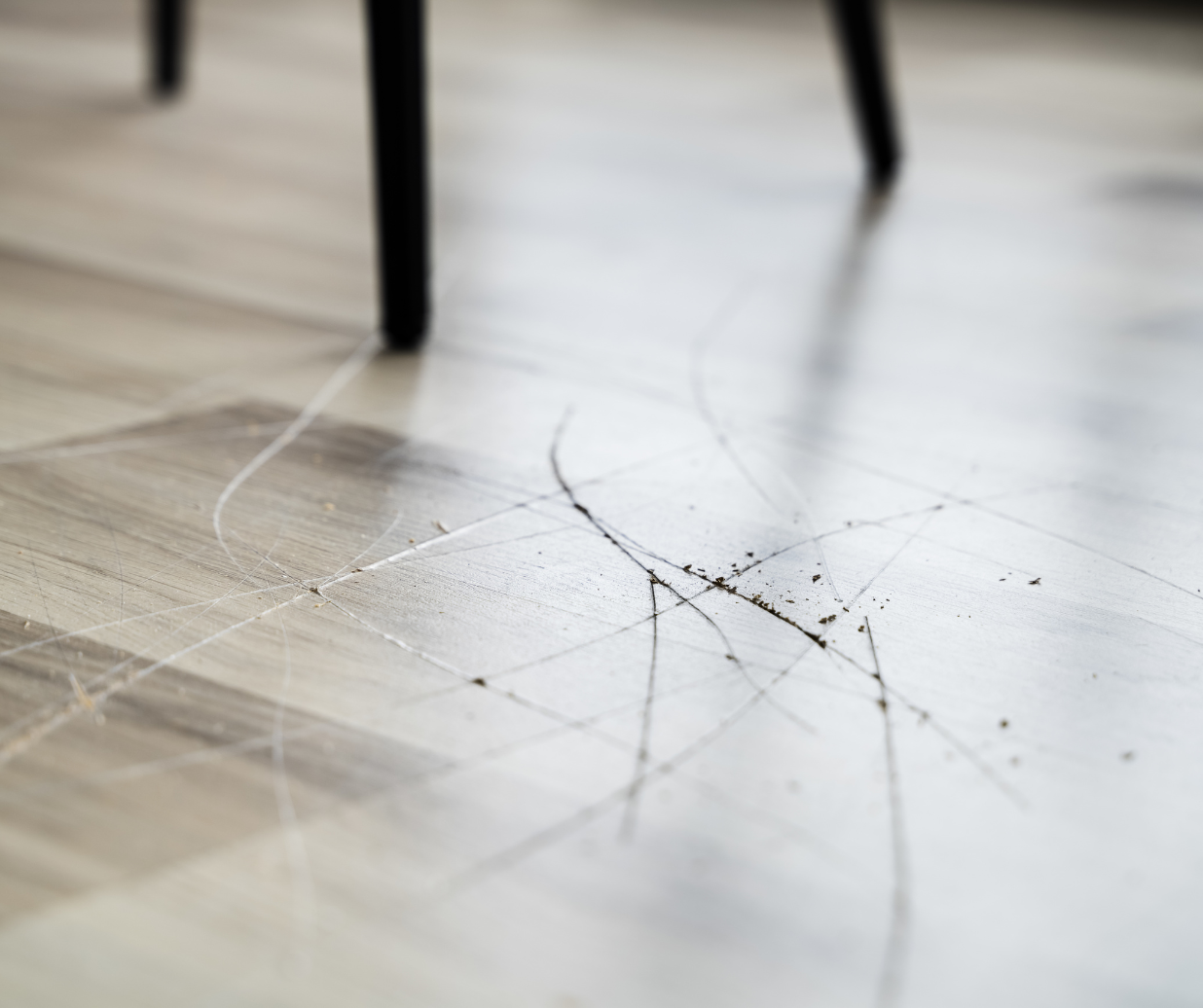
You put in beautiful new luxury vinyl, the furniture is back in place, the kids are racing down the hall—and then you notice the first faint scuff by the back door. In a Central Nebraska home where boots, pet claws, and moving furniture are part of everyday life, keeping LVP looking “like new” takes a little planning, not just good luck.
Below are practical ways to prevent scratches and dents so your floors stay sharp for years, whether you’re in Kearney’s newer subdivisions or updating an older farmhouse outside town.
Know What Your Luxury Vinyl Can (and Can’t) Handle
Luxury vinyl is tough, but it isn’t indestructible. Most products have a durable wear layer that resists everyday scuffs, but sharp grit and concentrated weight can still leave marks.
When you’re choosing a product, pay attention to:
- Wear layer thickness (thicker generally means more scratch resistance)
- Intended use (residential vs. commercial)
- Textured vs. smooth finishes (texture can hide small marks better)
If you’re still shopping, you can compare different wear layers and textures in CMH’s luxury vinyl and waterproof flooring options to match the product to the way your household really lives.
Daily Habits That Keep Scratches Away
In our climate, the biggest enemy of LVP isn’t a dropped pan—it’s all the grit that comes in on shoes and paws. Road sand, salt, and field dust act like sandpaper underfoot.
A few small habits make a big difference:
- Use the right vacuum. Stick with a hard-floor setting or attachment and turn off any beater bar. Stiff rotating brushes can create fine swirl marks over time.
- Sweep or dry mop regularly. A soft-bristle broom or microfiber dust mop picks up the abrasive particles before they get ground in.
- Catch dirt at the door. Place sturdy mats inside and outside entries so most of the grit never reaches the main flooring.
- Trim pet nails. Well-trimmed claws are much less likely to leave marks, especially on smoother finishes.
In high-traffic rooms, some homeowners like to soften things further with rugs over hard surfaces and cozy carpet in adjacent spaces. If you want to explore softer textures next to your vinyl, there’s a wide range of plush and performance carpet styles that pair nicely with wood-look planks.
Protecting Against Furniture Dents and Scuffs
Most dents in luxury vinyl come from furniture, not foot traffic. That’s especially true in dining rooms and home offices where chairs are constantly in motion.
To prevent those pressure points:
- Add felt pads under every leg. Chairs, tables, sofas, barstools—anything that slides should have a soft buffer. Check them twice a year and replace when they’re worn flat or dirty.
- Use wide glides for heavy pieces. Pianos, hutches, and big sectionals need larger contact points to spread out the weight.
- Lift, don’t drag. When you rearrange a room, recruit a helper and pick furniture up instead of sliding it, or use moving sliders designed for hard floors.
- Protect under rolling chairs. A clear chair mat under a desk chair keeps casters from wearing a path into the same spot.
If you’re planning a bigger refresh—new floors plus new layout—our installers are used to moving and resetting furniture as part of professional flooring installation, so you’re not wrestling a full living room set on your own.
Cleaning Products: What’s Safe for LVP (and What Isn’t)
The wrong cleaner can dull or haze luxury vinyl, which sometimes gets mistaken for scratching. The goal is to remove residue gently without stripping or softening the wear layer.
Keep these guidelines in mind:
- Use a damp mop, not a soaking wet one. Excess water can seep into joints and weaken adhesive on some products.
- Choose a cleaner labeled for vinyl or resilient floors. Mild, pH-neutral formulas are best.
- Skip steam mops. High heat and moisture together can be hard on click-together joints over time.
- Avoid abrasive powders and scrub pads. They can create tiny scratches that collect dirt and look like gray streaks.
If you’re coordinating a full kitchen or bath remodel, it helps to choose surfaces that all clean up with similar, gentle products. Many of our clients look at low-maintenance countertop materials at the same time they’re selecting LVP so their daily cleaning routine stays simple.
When Damage Happens: Repair or Replace?
Even with careful habits, life happens—especially in busy homes around North Platte and the surrounding rural areas. A dropped tool in the basement or a gouge from a forgotten nail on a furniture leg can leave a visible mark.
Depending on the product and how it was installed, options may include:
- Swapping an individual plank in a floating floor
- Patching a small area in a glue-down installation
- Covering minor blemishes with strategically placed rugs in low-visibility spots
For bigger projects or whole-room updates, it can be reassuring to see how other local homeowners have handled their remodels. Our gallery of completed flooring and interior projects shows real-world combinations of LVP with cabinets, counters, and more across Central Nebraska homes.
If you’re considering luxury vinyl for a new build or you want to protect the investment you’ve already made, our team in the Kearney flagship and the North Platte and Grand Island showrooms can walk you through specific products and care tips that fit your household. When you’re ready, you can request a free in-home estimate, and we’ll come out to measure, answer questions, and help you plan floors that stay beautiful under real-life wear.


