

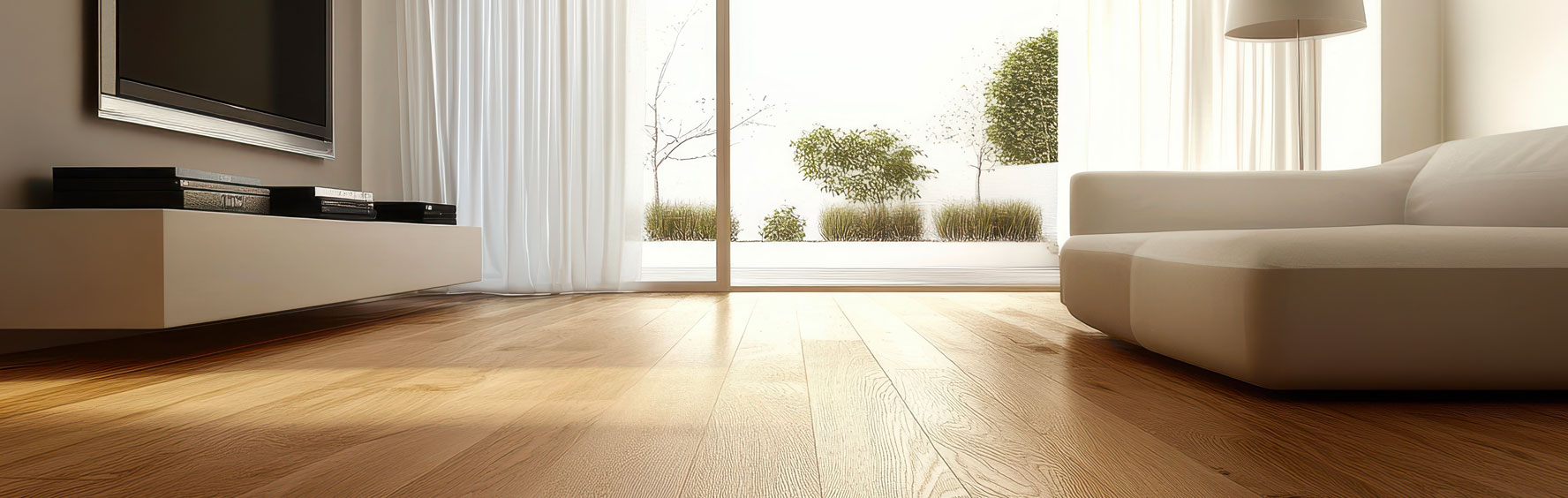
If you’ve been shopping floors around Kearney lately, you’ve probably heard a few strong opinions about laminate. One neighbor says it swells the first time you mop it. Another insists it “looks fake” compared to hardwood. Online forums don’t help much either. The truth is, modern laminate is very different from the stuff that went into rentals 20 years ago—especially the high-performance lines you’ll find in full-service showrooms.
Let’s clear up some of the biggest myths, so you can decide with real facts instead of outdated rumors.
Myth #1: Laminate Can’t Handle Nebraska Families
You’ll often hear that laminate is only for low-traffic rooms. That might have been true of early products, but today’s better lines are built for busy households that see boots, sports gear, and pet claws every day. Many of the styles we carry have AC4 light commercial ratings, which tells you they’re designed to stand up to abrasion and impact in tougher environments than a typical living room.
If you want to see what that looks like in real life, take a look at the AC4-rated laminate options in our catalog; you’ll notice the same kind of construction used in small shops and offices. The key is matching the right product to the right room and having it installed over a properly prepared subfloor, so those durable layers can actually do their job.
Myth #2: It Always Looks Fake Next to Hardwood
Another common complaint is that laminate never quite passes for the real thing. That criticism was fair when patterns repeated every few boards and the texture was completely flat. Modern imaging and embossing are a different story. Today’s better boards use high-resolution photography paired with textured wear layers that follow the grain pattern, so knots and saw marks feel as real as they look.
If you’re debating between real wood and an alternative, it can help to compare them side by side with some of the engineered hardwood lines from brands like Bruce and Hallmark. Seeing both categories together makes it easier to decide where authentic wood makes sense and where a realistic laminate will give you the look you want without the extra upkeep or cost.
For whole-home projects, our designers often pair these wood visuals with updated counters. Coordinating your floors with quartz and granite countertop choices can pull everything together so the space feels intentional instead of pieced together.
Myth #3: Laminate and Moisture Never Mix
With our freeze–thaw cycles and tracked-in snow, the fear that laminate will instantly swell is understandable. Traditional products with standard cores could be damaged by standing water, but that doesn’t mean every modern plank behaves the same way. Many newer laminates use more moisture-resistant cores and tight locking systems that give you a margin of safety for everyday spills, as long as they’re wiped up in a reasonable time.
That said, no laminate is a substitute for true waterproof flooring in a basement that might see seepage or a utility room with floor drains. For those below-grade or high-risk areas, you’re better off looking at waterproof luxury vinyl and similar constructions that are designed to sit over concrete and handle occasional water exposure. The sweet spot for laminate is main levels, bedrooms, and hallways where you want warmth, comfort, and easier maintenance without worrying about constant mopping.
Myth #4: It’s So Simple Anyone Can Install It
Click-together planks have convinced a lot of people that laminate is a perfect weekend project. While it’s more forgiving than nail-down hardwood, the details still matter, especially in older Central Nebraska homes where walls aren’t perfectly straight and door jambs can be tricky. Gaps, peaking joints, or noisy spots often come from shortcuts on prep, underlayment, or expansion spacing rather than from the product itself.
That’s why many homeowners who start down the DIY path end up deciding that professional flooring installation support is worth the peace of mind. A trained crew brings moisture meters, layout experience, and the right tools to handle transitions, stairs, and tight closets, so you get a floor that both looks and performs the way the manufacturer intended.
If you’re planning a larger remodel, it can also help to see how new floors interact with cabinets, windows, and doors. Our gallery of recent interior projects across Central Nebraska shows how coordinated materials work together in finished spaces, which can save you from costly re-dos later.
Ready to See If Laminate Fits Your Home?
Modern laminate won’t be right for every room, but it deserves a fair look—especially if you want the character of wood with more forgiveness for kids, pets, and everyday life. Our team has been helping local families sort through these choices for more than 25 years, and we’re happy to walk your home, talk through traffic patterns, and bring samples so you can see them in your own light.
If you’re curious how laminate might work in your space, you can book a free measurement and in-home estimate with the showroom that’s closest to you.


