

If your days start with feeding cattle and end with kids dropping backpacks by the back door, you already know farm life is hard on floors. Boots bring in mud and manure, dogs race in ahead of you, and somebody always forgets to wipe their feet. You still want a warm, comfortable farmhouse, but the wrong carpet will look tired and stained long before its time.
Here’s how we help rural families around Kearney choose carpet that can actually keep up.
Start with the right fiber and backing
On a working farm, the fiber you choose matters more than the color or pattern. You need carpet that shrugs off dirt, resists stains, and bounces back after years of traffic.
For busy farmhouses, solution-dyed and performance PET fibers are usually smarter than basic polyester. They’re engineered so color runs all the way through the yarn, which makes them far more forgiving when you’re cleaning up spilled coffee or muddy paw prints. Many of the pet‑oriented lines in our catalog use stain-resistant treatments that help messes sit on the surface long enough to be wiped away.
Underneath the face fiber, the backing and pad do just as much work. A dense pad with a moisture barrier helps keep spills and melted snow from soaking straight into the subfloor, and it makes vacuuming more effective because the carpet doesn’t collapse under the beater bar. When you’re comparing farm‑tough carpet constructions, it’s worth looking closely at backing and pad recommendations, not just the top surface.
Plan carpet by zone, not just by room
Most farmhouses have a few “danger zones” where dirt and grit are constant: back entries, hallways between garage and kitchen, stairs down to the basement, and the family room everyone actually uses. Those spaces need different carpet than a low‑traffic guest bedroom.
A simple way to think about it:
- High‑traffic, dirty routes (back hall, family room, stairs): low‑pile, tight‑twist or loop, medium to darker tones, strong stain protection.
- Quieter spaces (bedrooms, home office): plusher textures are fine, as long as you still choose a fiber that can handle the occasional spill.
In some homes around Grand Island, we’ll run resilient plank or tile into mudrooms and kitchen areas, then transition to carpet in the family room for warmth. If you’re curious how that looks, you can browse waterproof luxury vinyl and plank options that pair well with soft surfaces in adjoining rooms.
The key is to be honest about where the mess really happens. Putting your most durable styles in those paths and saving softer textures for calmer spots can easily double how long your carpet looks good.
Choose colors and patterns that hide farm mess
Color can’t make cheap carpet better, but it can make smart carpet more forgiving. On a farm, perfectly solid light beige is rarely your friend.
Mid‑tone neutrals with a bit of variation are usually the sweet spot. Tweeds, subtle flecks, and heathered patterns do a great job of disguising dust and the occasional stain between deep cleanings. A warm gray‑brown, for example, tends to blend with both soil and pet fur better than stark gray or bright tan.
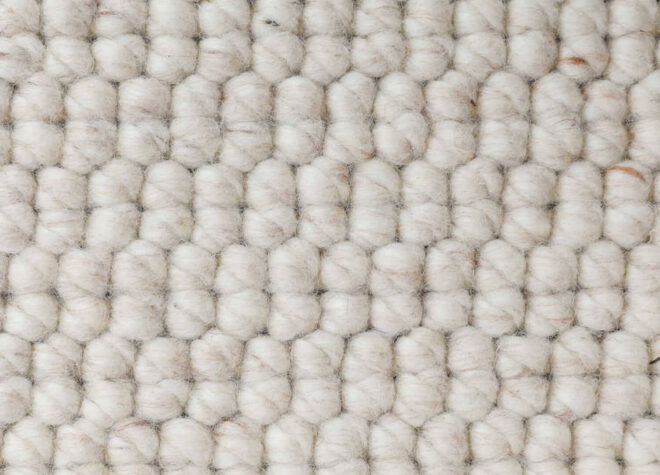
Texture helps too. A tight, slightly textured cut pile or patterned loop will show fewer footprints and vacuum marks than ultra‑plush styles. When you’re updating a well‑loved farmhouse in North Platte, pairing practical carpet with durable hard surfaces in kitchens and baths can create a cohesive look; many clients like to coordinate their soft flooring with tile finishes that stand up to mudrooms and entries.
If you’re doing a whole‑home refresh, it can also help to think about your cabinets and counters at the same time so everything works together. Our designers often pull together carpet, hard surface, and kitchen and bath countertop selections in one sitting so you’re not guessing with small samples at home.
Don’t forget installation and long‑term care
Even the toughest carpet will fail early if it’s installed poorly or never maintained. Farmhouses bring special challenges: older subfloors, out‑of‑square rooms, and transitions to existing vinyl or wood. Professional crews know how to stretch carpet properly, seal seams in high‑traffic spots, and choose the right pad for basements versus main levels.
Our in‑house installers handle those details every day, and the same team that measures your rooms is usually the one doing the work. If you’re weighing DIY against help, it’s worth skimming how professional flooring installation handles tricky layouts before you decide.
Over time, everyday life can still loosen carpet or create a snag where the dog always sleeps. One advantage of working with a full‑service shop is that you don’t have to start over when that happens. Our crews can often extend the life of a good product with targeted carpet repair and stretching so you’re not replacing floors before you’re ready.
If you’re ready to tame the mud, paws, and boots in your own farmhouse, we’re happy to come out, measure, and talk through options that match how you actually live. You can book a free measurement and in‑home carpet estimate and choose whichever of our three Central Nebraska showrooms is closest for your project.


