

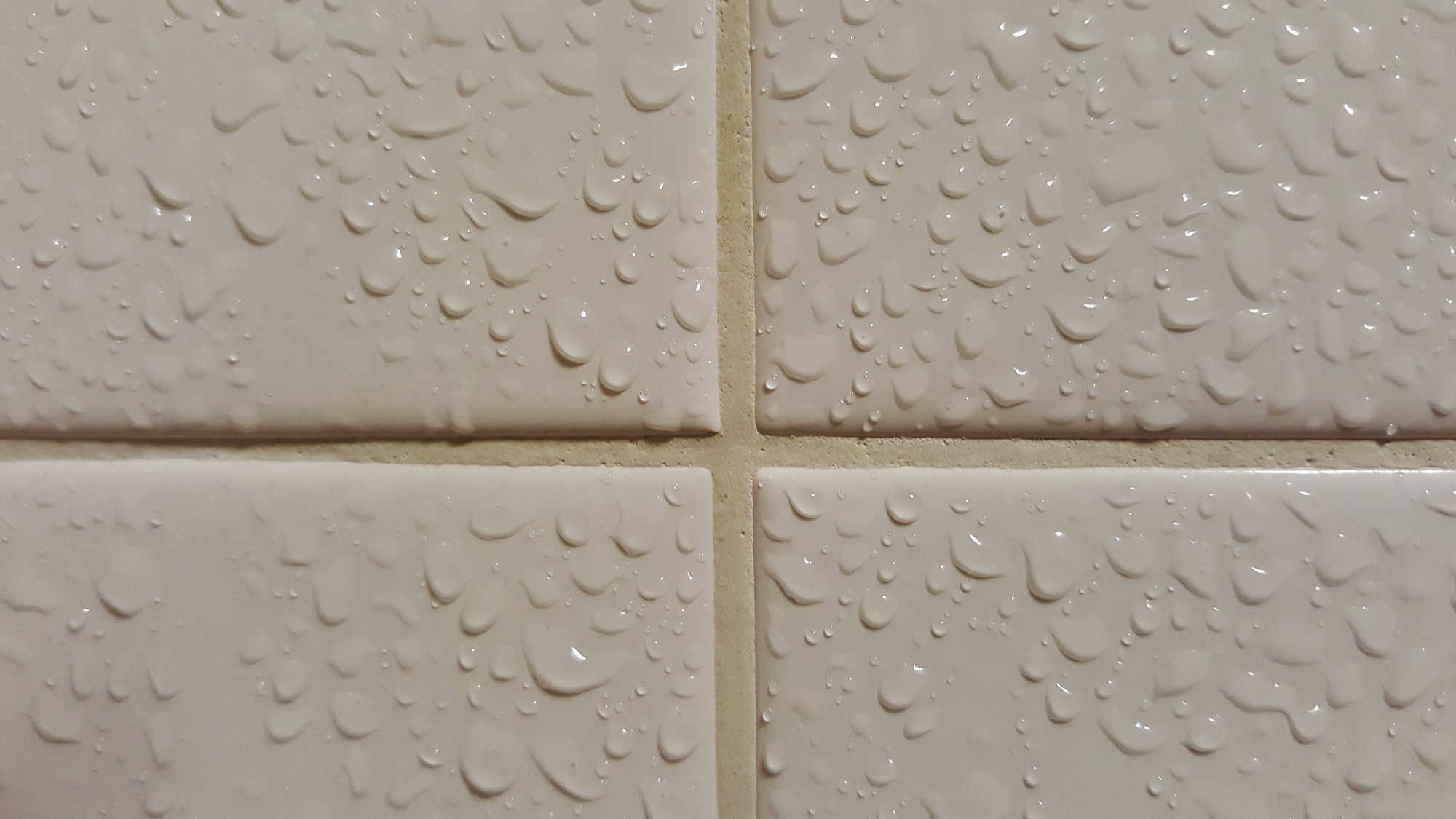
You pick a beautiful tile, get it installed, and then step back and think, “Huh…why doesn’t this look like the photo?” Nine times out of ten, the answer is grout. That thin line between tiles has a huge impact on how your floor, shower, or backsplash looks—and on how it holds up to Central Nebraska’s hard water, muddy boots, and busy households.
This guide walks through grout color basics, how to match grout to your lifestyle, and why sealing matters if you want your tile to stay sharp for years.
How Grout Color Changes the Look of Your Tile
Before you ever open a grout chart, decide what you want the tile to feel like in the room.
- Blend in: A grout color close to the tile tone creates a smooth, almost seamless surface. This works well with large-format floor tile in open-plan living areas where you don’t want to see grid lines everywhere.
- Stand out: A contrasting grout highlights each tile edge. Think white subway tile with charcoal joints—great for backsplashes and showers where you want pattern and drama.
- Hide the mess: Mid-tone taupes and grays are often the sweet spot for floors that see soil, snow, and farm dust. Very light or very dark grout will show every speck.
If you’re still deciding on the tile itself, it helps to view the full picture. Our ceramic and porcelain options from brands like Dal-Tile and Emser in the filterable tile catalog make it easier to picture which grout tones will blend and which will pop.
Matching Grout to Room and Lifestyle
Different rooms in a Kearney-area home ask different things of grout. A family kitchen with hard water and daily cooking splatters has different needs than a low-use guest bath.
For kitchen floors and mudrooms, aim for a grout shade that is just a bit darker than the tile. That slight difference helps disguise salt, soil, and the everyday grime that comes with Nebraska winters. If you’re pairing tile with another surface like quartz or granite, it often looks best when your grout echoes a vein or fleck in those kitchen and bath countertops rather than matching the tile perfectly.
Showers and tub surrounds face constant moisture and mineral buildup. Lighter grout can make the space feel bigger and brighter, but in homes with very hard water, a soft gray or beige often ages more gracefully than bright white. When we’re helping someone coordinate a new shower with fresh vanity cabinets, we’ll often pull samples from our cabinet design and selection services so the grout, tile, and doors all work together.
For accent walls and backsplashes, grout can be a design tool. A bold contrast line can emphasize a herringbone or chevron pattern; a closely matched color lets handmade or patterned tile be the star. Browsing installed projects in our photo gallery of finished rooms is a good way to see how different grout choices play out in real spaces.
Why Grout Sealer Matters in Central Nebraska
Once the color is chosen, the next big decision is whether—and how—to seal. Most cement-based grouts are porous. Without protection, they soak up spilled coffee, cooking oil, and the minerals in local water, which leads to stains and darkening over time.
Sealing adds a nearly invisible barrier that helps grout:
- Resist water and mineral penetration
- Stay easier to clean
- Hold its original color longer
In showers and on bathroom floors, sealing is especially important because our hard water tends to leave deposits right in the grout joints. A quality penetrating sealer buys you extra time before those deposits take hold and makes routine scrubbing more effective. When our installers set tile, they follow manufacturer guidelines on cure times and then apply sealer to properly prepared joints; that professional process is a big reason many homeowners choose expert tile installation support instead of going fully DIY.
Practical Tips for Grout That Stays Looking New
A few small choices up front can make grout care much easier over the life of the floor or wall:
- Joint width: Narrow joints (1/16"–1/8") show less grout overall and can hide minor discoloration better than wide ones, especially on floors.
- Sheen level: Sanded grout in wider joints has a more textured, matte appearance that tends to disguise soil; smooth joints show every splash.
- Cleaning habits: Mild, pH-neutral cleaners are your friend. Harsh acids and bleach can strip sealer and roughen the surface, making grout more porous over time.
If you’re coordinating tile with other hard surfaces like luxury vinyl or sheet vinyl in different rooms, think about maintenance as a whole. Many families in North Platte choose waterproof planks for basements and reserve tile for baths and kitchens, using durable luxury vinyl and waterproof flooring options where they want fewer grout lines to clean.
Grout isn’t the glamorous part of a tile project, but getting it right is what makes a floor, shower, or backsplash feel finished and stay that way.
When you’re ready to look at tile, grout swatches, and sealers side by side in our Kearney flagship or either of our other showrooms, you can request a free in-home estimate and we’ll help you sort through options for your specific rooms and lifestyle.


