

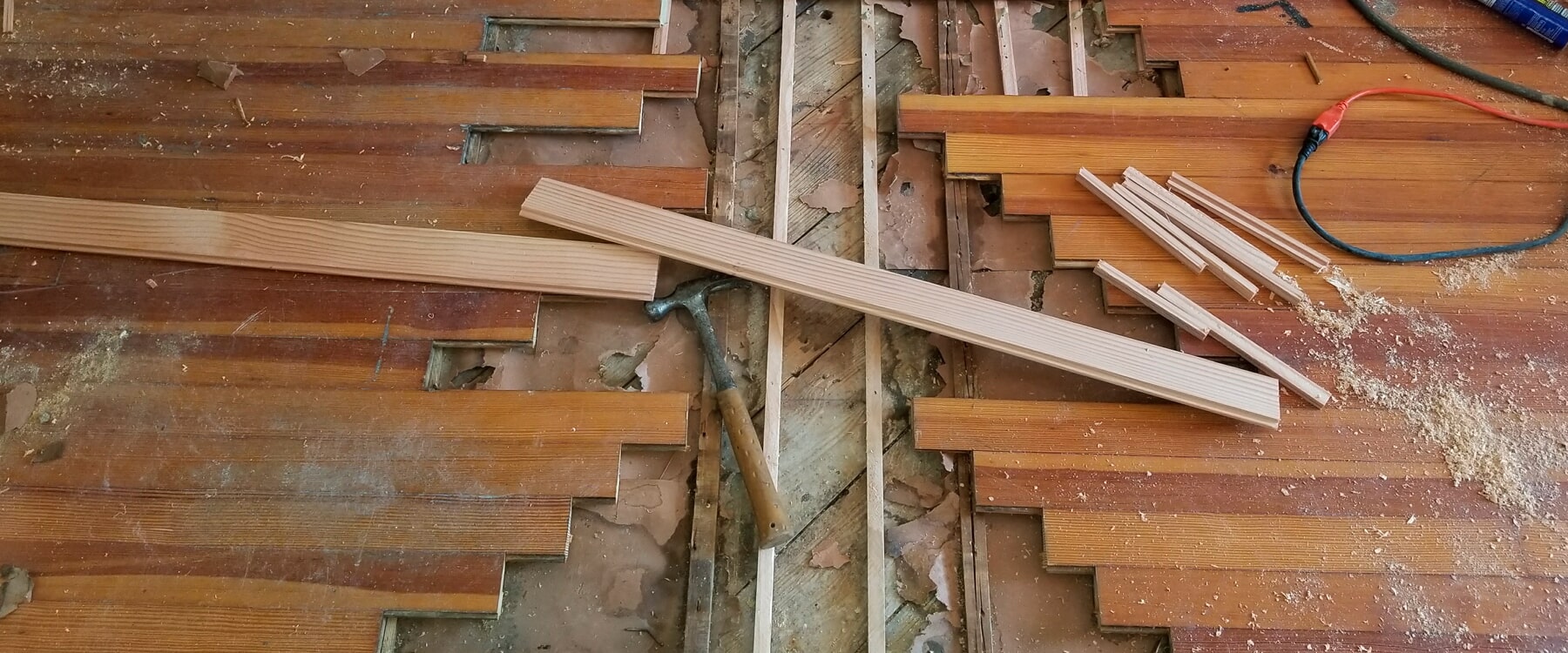
On a cold January morning, nothing reminds you how old your hardwood really is like crossing the living room and hearing a chorus of squeaks with every step. Add in widening gaps between boards and a little “washboard” texture under bare feet, and many homeowners start wondering if their only option is to rip everything out. The good news: in most Central Nebraska homes, older hardwood can be stabilized, quieted, and often saved with the right mix of maintenance and repair.
Why Older Hardwood Misbehaves in Nebraska Homes
Hardwood is a natural material, so it moves with changes in temperature and humidity. Around Kearney and the Tri-Cities, we see extreme swings: bone-dry indoor air in winter, humid stretches in summer, and plenty of furnace and AC cycling. Over decades, that constant expansion and contraction can loosen nails, dry out boards, and stress the finish.
Three common symptoms show up in older floors:
- Gaps: Spaces between boards that open up in winter and sometimes stay open.
- Squeaks: Noise where boards or subfloor rub against fasteners or each other.
- Cupping: Edges of the boards curl upward, often from moisture below.
Understanding that movement is the first step. It tells you which problems are just seasonal quirks and which ones point to deeper issues in the subfloor or structure.
Tackling Gaps: When to Watch, Fill, or Replace
Most older wood floors develop hairline gaps in winter that nearly disappear once humidity rises. Those are normal and usually not worth chasing. Gaps that stay open year-round or are wide enough to collect crumbs and pet hair are a different story.
For modest, stable gaps, a pro can use flexible fillers that move with the wood, or in some cases, slip in narrow wood strips and refinish the surface. When boards have shrunk dramatically or are badly damaged, selective board replacement may be the smarter move, especially if you plan to refinish the entire room.
If you’re weighing repair versus a full update, it helps to see what today’s options look like. Our hardwood catalog includes hundreds of solid and engineered lines from brands like Bruce and Hallmark, so you can compare “save what you have” with “start fresh” using real samples, not guesses.
One other factor with gaps is what’s happening underneath. In some older homes around North Platte, the subfloor itself has loosened from the joists. In those cases, tightening from below and re-fastening the hardwood can close gaps and stop noise at the same time.
Quieting Squeaks Without Damaging the Floor
A squeak is almost always friction: wood rubbing on wood or on a loose nail or screw. The trick is to stop the movement without cracking boards or creating visible damage.
Above an unfinished basement, a technician can often reach the joists and subfloor, then:
- Add screws or clips to pull the subfloor tight to the joists
- Shim slight gaps between joist and subfloor
- Add blocking so long runs of boards have better support
When you can’t access from below, there are still options. Specialized screws can be driven through the hardwood at an angle and set just below the surface, then filled and touched up. Done carefully, that stops the squeak without leaving a visible scar.
Because every older house has its own framing quirks, this is where professional installation and repair know-how really matters. Our crews handle hardwood and subfloor work every day, and the same team that installs new floors also performs professional flooring installation for wood and tile, so they’re comfortable diagnosing what’s moving and how to secure it.
Dealing With Cupping and Moisture Problems
Cupping usually points to moisture coming from below the floor: a damp basement, a crawlspace without proper vapor control, or even a plumbing leak. Before sanding or refinishing, you have to solve the moisture problem or the boards will simply move again.
That may mean improving drainage outside, adding a dehumidifier, or upgrading the underlayment if you eventually decide to replace the floor. In some cases, once the source of moisture is corrected and the wood has time to dry evenly, the cupping relaxes enough that a light sanding and refinish can restore a smooth surface.
In finished basements or lower levels where moisture is a recurring concern, many homeowners choose to preserve original hardwood upstairs and switch to something more stable below grade. For those spaces, it’s worth looking at waterproof luxury vinyl and LVP styles designed for damp areas, which mimic wood without risking future cupping.
When It’s Time to Think Bigger Than Just the Floor
If your hardwood issues show up alongside dated cabinets, worn counters, or drafty windows, it might be time to think about the room as a whole instead of treating the floor in isolation. Because we’re a full-service interiors shop, we often help families in Grand Island coordinate new wood floors with updated kitchen and bath cabinetry so storage, finishes, and flooring all work together.
For inspiration, you can browse photos of completed projects across Central Nebraska to see how other older homes have blended original character with fresh materials. If you’re curious about the people behind the work, our company story explains how this family business has evolved since 1999, and why we put so much emphasis on long-term solutions instead of quick fixes.
If your own floors are gapping, squeaking, or starting to cup, you don’t have to decide alone whether to repair, refinish, or replace. We’re glad to walk the house with you, look at what the wood is telling us, and talk through options that fit your budget and your home’s age. When you’re ready, you can book a free measurement and in-home estimate with the showroom closest to you and start getting real answers instead of living with noisy boards.


